Konjac Glucomannan - The most viscosity soluble fiber
Konjac Foods - Zero Net Carb, Zero Calories, Pure Soluble Fiber    


What are Konjac Foods?
How is Konjac Glucomannan unique from other soluble fiber?
How does soluble fiber work?
Importance of Soluble Fiber in Treating Diabetes
Soluble Fiber Intake & Type 2 Diabetes Mellitus: The Research
Are there natural food sources of soluble fiber?
How can Konjac Glucomannan powder be used?
Can Konjac pasta be made at home?
How is Konjac pasta prepared?
Konjac Foods Recipes
Customer Testimonials
Food Regulatory Status of Konjac Glucomannan
Konjac Foods Contact Information

French German Spanish

What are Konjac Foods?

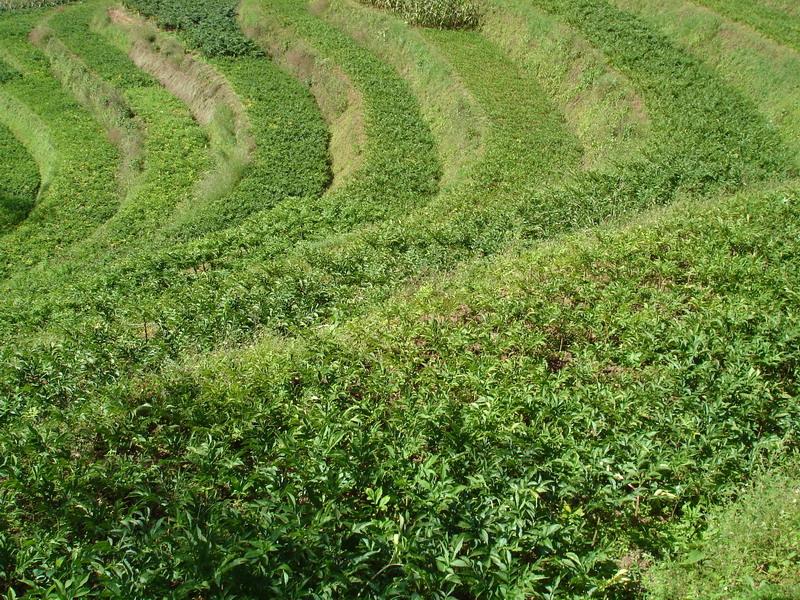
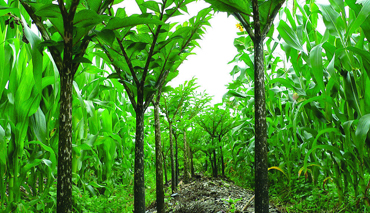
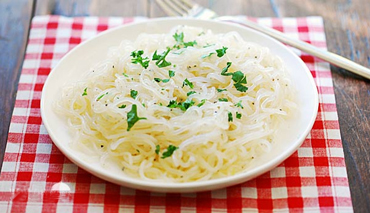
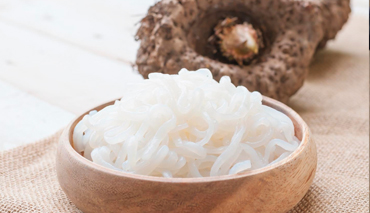
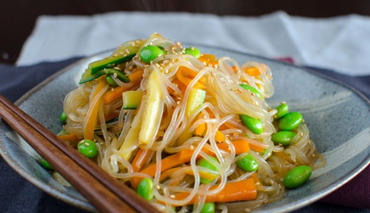
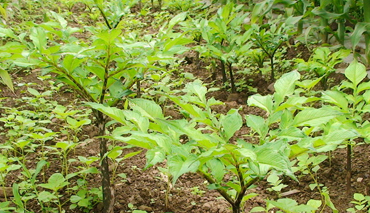
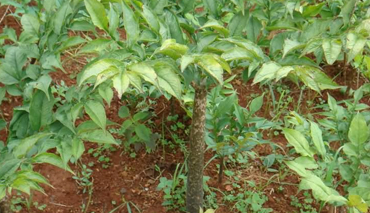
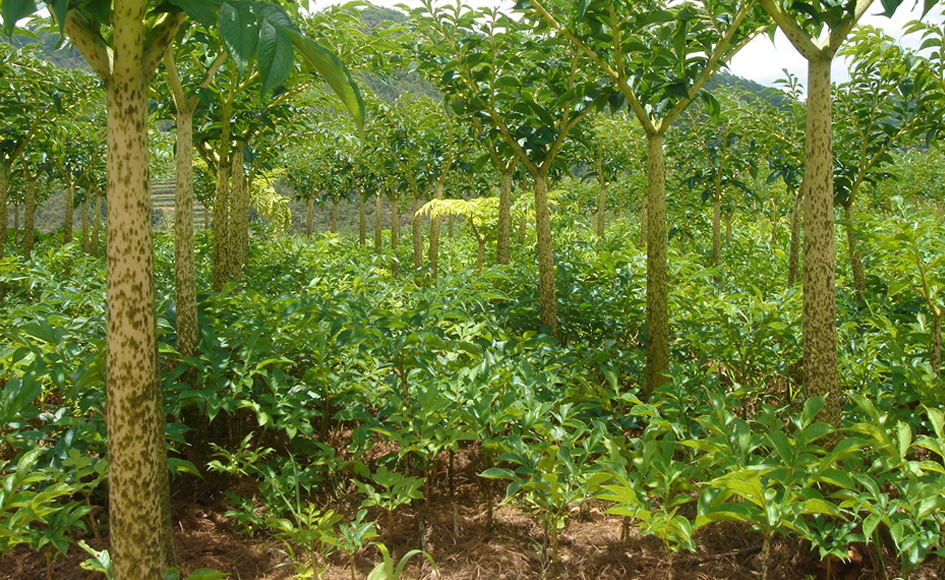
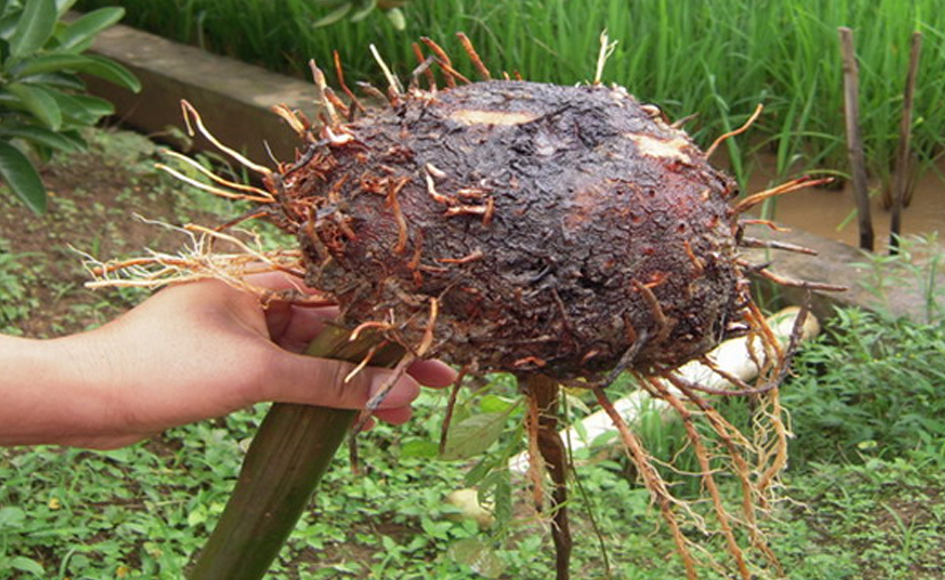
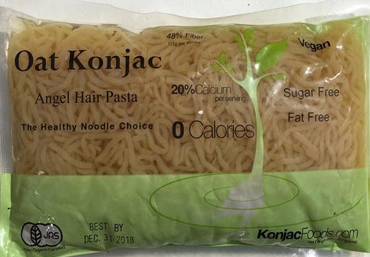
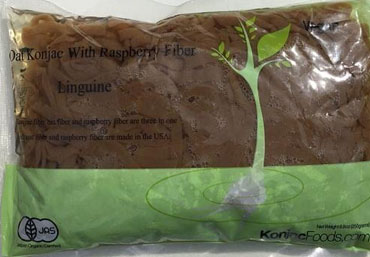
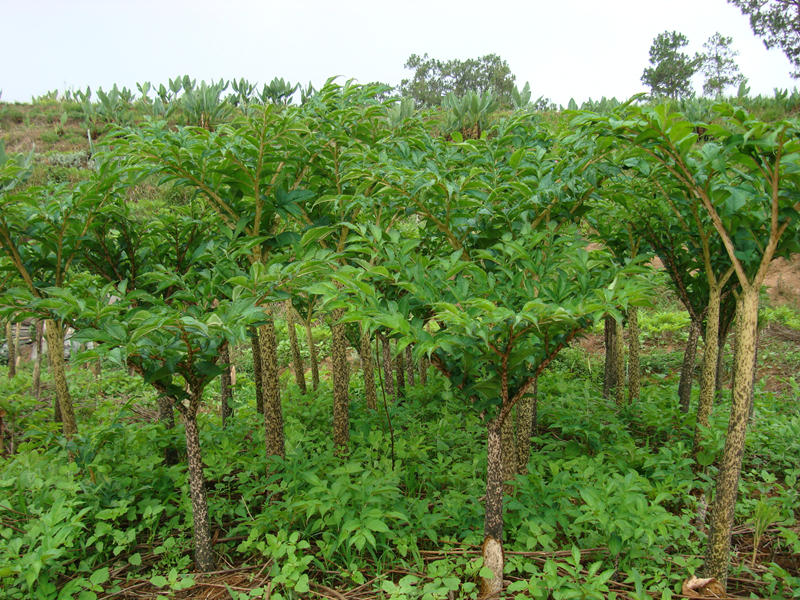
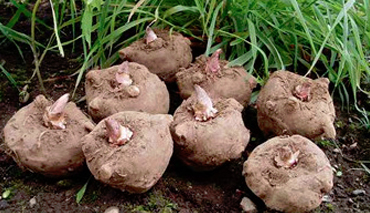
Konjac glucomannan (KGM) is a water-soluble dietary fiber derived from the root of the Konjac plant. Konjac foods, also called Shirataki Nooldes In Japan, made from Konjac Glucomannan, are traditional Chinese foods with a history spanning over two thousand years. Referred to as Moyu or Juruo in China, and Konnyaku or Shirataki Noodles in Japan, Konjac foods are a popular health food in the Asian markets.
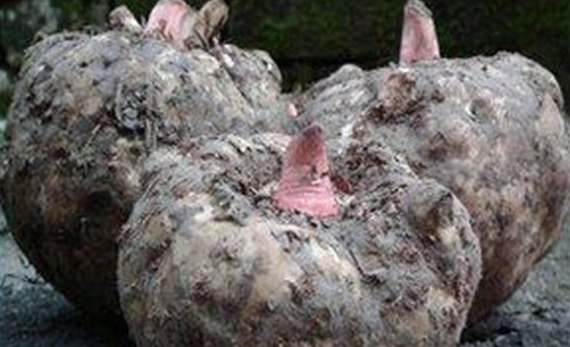
Konjac foods - Shirataki noodles ....

  • are naturally water soluble fiber with no fat, sugar, starch, or protein.
  • contain zero net carbohydrates and zero calories.
  • are wheat and gluten free.
  • pure Vegetable
  • can be stored in the room temperature for about one year. Don't need refrigeration
  • JAS (Japan Agricultural Standard) Cetified Organic
  • are translucent and gelatinous, with no flavor of their own - they easily absorb the dominant flavors of any soup or dish.
  • are instant and come in a variety of styles and shapes - you can simply toss salsa with Konjac instant pasta for a quick meal.

Konjac Shirataki Noodles Testimonials on First for Women Magzine
The Carb That Melts Fat: The secret to how Japanese women stay so thin has finally made it to American (9/18/06)

What is the Konjac Shirataki Noodles?

How to Cook Shirataki Noodles?

How is Konjac Glucomannan unique from other soluble fiber?

Konjac Glucomannan is the most viscosity soluble fiber in nature - it forms an extremely viscous solution.
Konjac Glucomannan has the highest molecular weight of any dietary fiber known to science - molecular weight is between 200,000-2,000,000 Daltons.
Konjac Glucomannan has the highest water holding capacity of any soluble fiber - up to 100 times its own water weight.
Konjac Glucomannan can form either a reversible or a thermo-non-reversible gel.


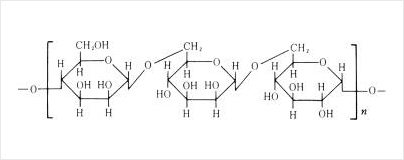
Kojac glucomannan (KGM) molecules structure

What are the health benefits of soluble fiber?

The US Food and Drug Administration has approved food manufacturer use of the following information on product labels:

  • Diets low in saturated fat and cholesterol that include fruits, vegetables, and grain products, which also contain fiber (particularly soluble fiber), may reduce the risk of coronary heart disease.
  • Diets low in saturated fat and cholesterol that include 3g of soluble fiber from whole oats per day may reduce the risk of heart disease.
  • A low-fat diet rich in fruits, vegetables, and whole grains containing fiber, particularly soluble fiber, may lower blood cholesterol levels, reduce the risk of heart diseases, and possibly prevent some types of cancer.
  • Diets low in saturated fat and cholesterol that include a daily intake of soluble fiber from whole oats or psyllium seed may reduce the risk of heart disease.

The American Dietetic Association recommends that people consume 20 to 35 grams of fiber per day, of which 5 to 10 grams should be soluble fiber. However, Americans typically average only about 12 to 17 grams of total fiber and only 3 to 4 grams of soluble fiber a day - about half the recommended amount.

How does soluble fiber work?

Soluble fiber is the only known food component that will lower blood cholesterol when you add more to your diet. Foods high in soluble fiber help prevent sugar from rising too high after meals by keeping food in the stomach longer. Sugar is absorbed more slowly, preventing free fatty acids and triglycerides from rising too high after meals. Free fatty acids bind to insulin receptors and prevent insulin from doing its job of driving sugar from the bloodstream into cells. In addition, soluble fiber does the following:

  • It binds to fat in the intestines, preventing some fat absorption.
  • It dissolves fluids in the large intestine and forms a gel that binds with bile acids in the intestines. As a result, the liver converts more cholesterol to bile acids, and blood cholesterol levels are reduced.
  • It slows digestion and the absorption of nutrients, resulting in a slow and steady release of glucose from accompanying carbohydrates.
  • It soaks up excess bile acids found in the intestinal tract - the same acids that are converted into blood cholesterol.
  • It delays stomach emptying, triggering satiety (a feeling of fullness) that can be helpful in people with type 2 diabetes trying to achieve weight loss goals.

Soluble Fiber Intake & Type 2 Diabetes Mellitus: The Research

Research proves that the higher the viscosity of soluble fiber, the better the control of blood sugar level in patients with Type 2 diabetes:
The New England Journal of Medicine (May 11, 2000. v342: 1392-1398)
Beneficial effects of high dietary fiber intake in patients with type 2 diabetes mellitus.
"A high intake of dietary fiber, particularly of the soluble type, above the level recommended by the ADA, improves glycemic control, decreases hyperinsulinemia, and lowers plasma lipid concentrations in patients with type 2 diabetes"

Clin Excell Nurse Pract.(September 2000; 4 (5): 272-6)
Dietary fiber and type 2 diabetes.
"Water-soluble fiber appears to have a greater potential to reduce postprandial blood glucose, insulin, and serum lipid levels than insoluble fiber. Viscosity of the dietary fiber is important; the greater the viscosity, the greater the effect. "

Med Hypotheses. (June 2002; (6): 487-90)
Glucomannan minimizes the postprandial insulin surge: a potential adjuvant for hepatothermic therapy.
"Glucomannan (GM) is differentiated from other soluble fibers by the extraordinarily high viscosity of GM solutions. Administration of 4-5g of GM with meals, blended into fluid or mixed with food, can slow carbohydrate absorption and dampen the postprandial insulin response by up to 50%. "

Diabetes Care (1999 Jun v22, i6; 913-919)
Konjac-mannan (glucomannan) improves glycemia and other associated risk factors for coronary heart disease in type 2 diabetes. A randomized controlled metabolic trial.
"KJM fiber added to conventional treatment may ameliorate glycemic control, blood lipid profile, and SBP in high-risk diabetic individuals, possibly improving the effectiveness of conventional treatment in type 2 diabetes"
PDF Format

Diabetes Care (2000; 23: 9 - 14)
Beneficial effects of viscous dietary fiber from Konjac-mannan in subjects with the insulin resistance syndrome: results of a controlled metabolic trial.
"A diet rich in high-viscosity KJM improves glycemic control and lipid profile, suggesting a therapeutic potential in the treatment of the insulin resistance syndrome."
PDF Format

Journal of the American College of Nutrition (2003, February, 22(1): 36-42)
Konjac supplement alleviated hypercholesterolemia and hyperglycemia in type 2 diabetic subjects--a randomized double-blind trial.
"The KGM supplement improved blood lipid levels by enhancing fecal excretion of neutral sterol and bile acid and alleviated the elevated glucose levels in diabetic subjects. KGM could be an adjunct for the treatment of hyperlipidemic diabetic subjects."

Are there natural food sources of soluble fiber?

Soluble fiber is found in oats, oatmeal, oat bran, beans, legumes, barley, citrus fruits, and psyllium. It can also be found in gums, including; Konjac gum, vegetable gum, pectin, guar gum and gum Arabic. But generally, most have only a small percentage soluble fiber. Oat bran contains the highest level of soluble fiber, about 14%. All other grains contain much less. In comparison, fresh Konjac contains an average of 13% dry matter, of which 64% is glucomannan, making glucomannan the richest soluble fiber resource in nature.

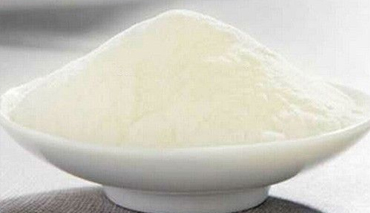
How can Konjac Glucomannan powder be used?

Drink it with water:
Three times daily before each meal, briskly stir one level teaspoon konjac powder (about 4 gram) in 1 cup water, drink immediatly before the begins to gel.

Use it as thickener:
Like cornstarch, but with 10 times the viscosity, Konjac Glucomannan powder thickens sauces, gravies, puddings and pie fillings without affecting taste.
Konjac Glucomannan is easy to use, dissolving easily into hot or cold liquids.

Can Konjac pasta be made at home?

In addition to buying Konjac foods in the super market or online, you can them make them yourself. You can easily prepare Konjac foods at home using the following simple recipe:

Ingredients

  • 1 tablespoon of glucomannan (contains 6 grams of soluble fiber.)
  • 1/8 teaspoon of pickling lime, a food grade calcium hydroxide.

Procedure:
Pour 2 cups of cold water into a pot. Stir in a 1/8 teaspoon of pickling lime. Then, add 1 tablespoon of Konjac Glucomannan powder, stirring continuously to a boil. Boil the mixture for about 3 minutes. Remove from heat. A thermally stable (non-reversible) gel is formed once the mixture cools down. Cut gel into small pieces, dip in water or steam about 3-5 minutes and then cook in the way you like.

How is Konjac pasta prepared?

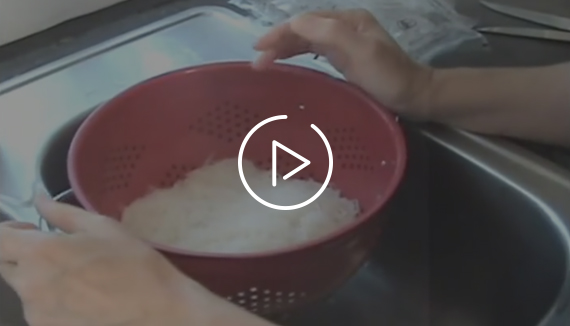
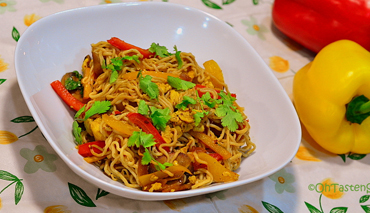
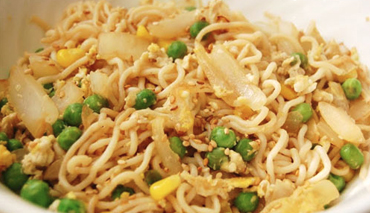
Konjac pasta can be boiled or cooked with vegetables, meat, or seafood. It can then be tossed with sauces, vinegar, hot salsa, or ingredients like pepper, onion, or garlic. To prepare Konjac pasta, simply dip it in water for 3-5 minutes, and then prepare it any way you like.


Konjac Foods Recipes

Olive Pasta with Mushrooms and Tomatoes

1/2 pound Konjac Glucomannan pasta
1/4 pound mushrooms, sliced
1/2 cup halved cherry tomatoes
1/2 cup pitted ripe olives
1 tablespoon parsley
1/2 teaspoon dry basil

Drain and rinse Konjac pasta with cold water and drain again. Place into a large
bowl. Add mushrooms, cherry tomatoes, olives, parsley and basil; toss gently, season with salt and pepper to taste.
Serving Size: 2

Classic Spiced Konjac Pasta

1/2 pound Konjac Glucomannan pasta
1 tablespoon vinegar
1/2 cup sliced celery
1/2 tablespoon prepared mustard
1/2cup chopped red pepper
1/2 teaspoons salt
1/8 cup chopped onion
1/8 teaspoon pepper

In a large bowl, stir vinegar, mustard, salt and pepper until smooth. Add Konjac pasta, celery, green pepper and onion. Toss to coat well. Refrigerate covered for at least two hours to blend flavors.

Serving Size: 2

Vegetable Konjac Pasta

1/2 pound Konjac Glucomannan pasta
1/2 cup chopped onions
1 medium chopped tomato
1/4 cup chopped bell pepper
1/8 cup olive oil
1/8 cup lemon juice
1 teaspoon garlic powder
1/4 teaspoon oregano
1/4 teaspoon basil
1/4 teaspoon thyme
1/4 teaspoon salt

Gently mix all ingredients in a large mixing bowl. Refrigerate until cold, allowing the mixture to set for an hour before serving to enhance the flavor before serving.
Serving Size: 1

Pepper Konjac Pasta

1 pound Konjac Glucomannan pasta
1 hard boiled egg, chopped
1/2 green pepper, chopped
1/2 red pepper, chopped
2 fresh tomatoes, chopped
4 tablespoon olive oil
4 tablespoon vinegar

Drain and rinse the Konjac pasta well. Add the oil and vinegar, mixing well. Add all
other ingredients and mix well. Then salt and pepper to taste.
Serving Size: 1

Olive Konjac Pasta

1/2 pound Konjac Glucomannan pasta
1 1/2 tablespoons olive oil
1 tablespoon wine vinegar
4 or 5 olives -- pitted and quartered
1/2 teaspoon dried oregano
Freshly ground pepper -- to taste

Drain and rinse Konjac pasta with cold water. Transfer to a mixing bowl and toss immediately with the olive oil. Add vinegar and toss again. Add the olives, oregano, and pepper. Toss again.
Serving Size: 2

Italian Konjac Pasta

1 pound Konjac Glucomannan pasta
1/2 teaspoon olive oil
1/2 cucumber, diced
1/2 bell pepper, chopped
1 whole tomatoes, diced
9oz can tomato sauce
4oz Italian dressing

Drain and rinse Konjac pasta with cold water, then drain and add olive oil.
Add remaining ingredients. Add onion and red wine vinegar to taste.
Serving Size: 2

Konjac Garlic Pasta

1/2 pound Konjac Glucomannan pasta
4 large tomatoes, quartered
1 red bell pepper, sliced
8 black olives
4 tablespoon olive oil
2 tablespoon white vinegar
2 garlic cloves, chopped

Drain & rinse Konjac pasta under cold water. Set aside.
In a large bowl, mix together the Konjac pasta, bell pepper, tomatoes,
and beans; add the olives & capers. Mix the oil, vinegar, garlic, salt &
pepper. Pour over the Konjac pasta and salt & pepper to taste. Toss well just before serving.
Serving Size: 4

Konjac Pasta Primavera

1/2 pound Konjac Glucomannan pasta
2 cups broccoli florets
1 cups sliced carrots
1 cups cherry tomatoes, quartered
1/4 cups sliced red onions
8oz ranch dressing

Drain and rinse Konjac pasta. Add vegetables and dressing to the pasta.
Refrigerate several hours before serving.
Serving Size: 1

Balsamic Konjac Pasta

1 pound Konjac Glucomannan pasta
1 cup peeled & chopped tomatoes
2 teaspoon balsamic vinegar
1/4 cup minced red onions
2 teaspoon olive oil
2 tablespoons minced fresh basil
1/8 teaspoons ground black pepper
2 garlic cloves, minced

Drain and rinse Konjac pasta with cold water, drain again.
Combine all ingredients in a glass bowl. Cover & let stand at room temperature for 1 hour. Fold in the Konjac pasta just before serving
Serving Size: 4

Konjac Pasta with Peppers

1 pound Konjac Glucomannan pasta
4 tomatoes, chopped
1 green pepper, cubed
1 yellow pepper, cubed
1/2 hot pepper, chopped
3 tablespoons olive oil
3 tablespoon red wine vinegar
1 clove garlic, minced
2 tablespoons chopped parsley
1 tablespoon chili powder
2 tablespoons sunflower seeds

Drain and rinse Konjac pasta with cold water, and drain again
Combine vegetables in large bowl. Combine oil, vinegar, garlic,
parsley, chili powder, salt & pepper to taste. Pour over vegetable mixture.
Stir in Konjac pasta, sprinkle with sunflower seeds and toss. Chill.
Serving Size: 1

Customer Testimonials

Before using the Konjac Glucomannan (KGM) powder, my daily Blood Glucose average was over 155. The second day after I started using the powder (1/2 teaspoon, 3 times a day), my daily average was 125. I am now using 1 teaspoon 3 times a day and it is now averaging under 110. I also reduced my medication by 1/2 and may discontinue it completely. I'm happy and my doctors happy. Thanks again. Bill Brandt

I love your line of products! I regularly use your "pastas" and am always delighted with the results. As an individual with hyperglycemia, your products have returned many of my favorite dishes to my daily menu. Cerise

I received my konjac glucomannan powder last week. Since then, I've been using it as extra fiber and also as a thickener in low carb diet recipes. A little goes a long way - it only took a 1/2 teaspoon to thicken a sauce for an entire dinner. Joy

I tried your product for the first time tonight. I made chicken tetrazzini in white wine sauce with shallots and mushrooms. I added the Konjac noodles to this. The taste was fantastic - I will never look back! Belinda

I've tried the Konjac noodles. I find they pick up the taste of whatever you cook with them. I recently sauted the noodles in a pan with garlic, butter, and olive oil. I then tossed in some parmesan cheese. I love it. I wouldn't be afraid to put it into anything. Gail

I have used both Konjac and guar gum to thicken sauce. Even though they both work well, it is difficult to get the right consistency with guar gum. Konjac is easier to work with. Marselle

I used Konjac "flour" to thicken my turkey gravy for thanksgiving and it worked wonderfully. A little bit thickens a lot. It behaves similar to cornstarch, except that it thickens up cold - no heating, stirring, or waiting for it to thicken. Marla

I was interested in your product because I cannot eat too many carbohydrates. I tried it yesterday. It is extremely tasty with beef and vegetables! Marion

Last night, I used the glucomannan powder for the first time. I am very impressed! I normally use xanthan gum as a thickener, but I don't like the taste. The glucomannan has a neutral taste and it isn't slimy like the xanthan gum. I am looking forward to experimenting with it. Lana

Excellent product! I use them in a low carb Asian curry soup. Nora

The Konjac noodles take on the taste of whatever you put on them. They are a wonderful substitute for pasta and are so versatile and filling that you can put them in anything. They also have very few calories, which always helps. Cheri

Fry them with some soy sauce and you have an excellent side dish. Michael

I ate Konjac noodles this weekend with Ragu Meaty sauce excellent. I've also used them as a base under stir-fried steak, onions and peppers (I poured the juice from the pan over everything). Kalish

My family has the noodles about twice a week in a stir-fry. We had them last night with marinara sauce, seafood, and a nice salad. On occasion, we substitute them for spaghetti with bolognaise and cheese sauce. For those of us who miss pasta, these noodles are a blessing. Zero carbs and heaps of fiber...just what the doctor ordered. Misty

I'll start by saying what a great konjac powder you have, I've blowed the doctors out of there socks, the best cholesterol test i ever had in my life the best the ever seen, so you'll get noticed as my doctor is with drsinatra.com a world doctor also a cardiolist, but more into reseach, the test went to him. Such a great product i can't figure out why it's not in the market more, thanks! Mike

Just wanted you to know, I used the pasta in soup today and it is GREAT! Thanks again, I will buy on more! Melanie

Yum, fast and delicious, thanks! Nancy

Used it today in soup, it is great! I'm diabetic so this is perfect for me. Joseph

Great sub for glass noodles. Quick ship. Thanks. Peter

Received and tastes very good, would like more. Charlotte

Tastes delicious..like Pasta!! Its really keeping me on my low carb diet! Carol

Fast shipping!! Great low carb alternative. Thanks again!! Alice

Noodles are wonderful- a dieter's dream! Wish I found this a long time ago. Jenny

Great product, made Pad Thai and we all loved it. So easy to use will buy again! Ken

Different but very good. Exc. source for low carb pasta Quick ship, Thanks Paul

**EXCELLENT** Great pasta EXTREMELY versatile!! Thank YOU!! Linda

Pasta was a little chewy, but absorbed flavor of my seasonings. will repurchase. Vicky

Yummy and healthy! highly recommended! Susan

This is a perfect product, It really is easy to use, and it tasted lovely ! Michael

Love the pasta! As a Carb Watcher will definately be a repeat customer! THANKS Richard

AWESOME! A lowcarbers dream come true :) Fast shipping...very good "noodles" Bob

Kind chewy, but hey no carbs! soy sauce does wonders. Harlan

These were the best low carb noodles I have had! Thanks. Barbara

Everything as promised. The noodles taste good--with spices or sauce added. Mark

I'll start by saying since I've been use konjac powder i can keep a goal weight,
plus or minus 2 lbs everyday, and from 20 mg liptor am now at 5 mg hoping to get rid up the 5mg,
a great product, the best.
Michael

Diabetes Update By Daivd Mendosa Number 70; May 1, 2004

Food Regulatory Status of Konjac Glucomannan

FDA approved as Generally Recognized As Safe (GRAS) in the United States
Health Canada approved as a food ingredient in Canada
Konjac Glucomannan powder be affirmed as GRAS for use as a food ingredient
Listed on FCC (Food chemical codex), the 4th edition 1996 USA
Approved by the EU # L295127, E-425
Listed under E425, Annex V, food additives, 1998, EU

Konjac Glucomannan Pasta Online Catalogue
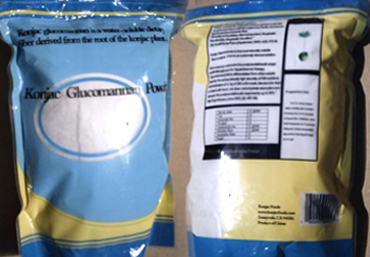
Konjac Glucomannan Powder (500g)
Konjac Angel Hair Pasta
Konjac Rigatoni Pasta
Konjac Fettuccine Pasta
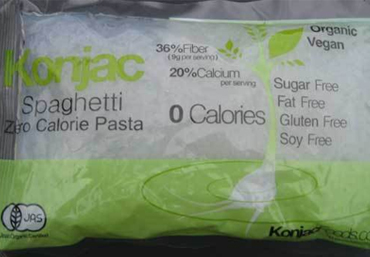
Konjac Spaghetti Pasta
Konjac Linguine Pasta
Konjac Lasagne Pasta
Konjac Tapioca Pearls
Konjac Mini Pearls
Konjac Ditalini Pasta
Konjac Sagnarelli Pasta
Konjac Penne Pasta

Konjac Foods
556 E. Weddell Drive, Suite 2
Sunnyvale, 94089 USA

Tel: 408-257-1813
Fax: 408-749-7079
Email: konjacsupport@gmail.com
Web: www.konjacfoods.com


   Copyright © 2002 ~ 2004 KonjacFoods.com